



Introduction
When it comes to staying comfortable during high-output outdoor activities or extreme conditions, your choice of base layer can make all the difference. Among the many options available, the mesh base layer stands out for its unique design and remarkable performance capabilities.
Unlike traditional thermal or wool base layers, mesh base layers use an open-knit structure that not only improves ventilation but also enhances moisture-wicking and thermal regulation. Whether you’re hiking up a mountain, skiing in sub-zero temperatures, or cycling through summer heat, mesh base layers offer a lightweight, breathable, and adaptable solution that keeps your core temperature stable and your skin dry.
Their lightweight design, flexibility, and compatibility with layering systems make them a favorite among athletes and outdoor enthusiasts who demand both comfort and performance in varying weather conditions. This article dives deep into what mesh base layers are, how they work, their benefits, materials used, top brands, and how to use and care for them effectively.
| Feature | Details |
| Main Function | Moisture wicking, breathability, temperature regulation |
| Material Options | Polypropylene, Merino wool (mesh), Polyester, Nylon |
| Best For | Hiking, Skiing, Cycling, Running, Mountaineering, Military Use |
| Key Benefits | Fast drying, lightweight, excellent ventilation, good insulation when layered |
| Layering Tip | Worn next to skin, followed by mid-layer (fleece/wool), then outer shell |
| Top Brands | Brynje, Aclima, Craft, Helly Hansen |
| Care Instructions | Cold/warm wash, no softeners, air dry or low heat |
| Drawbacks | Drafty alone in cold, can snag, not suitable as outerwear |
What Is a Mesh Base layer?
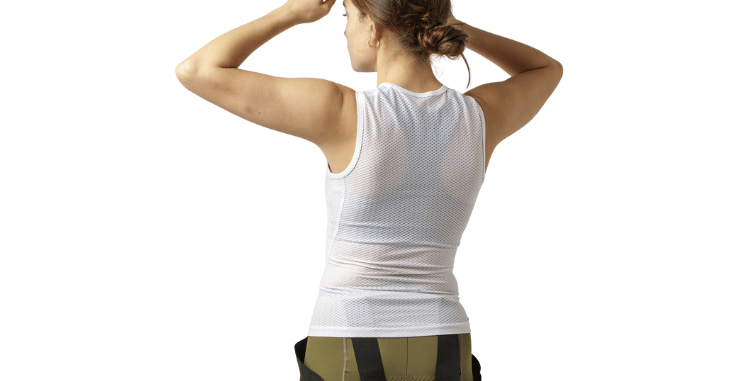
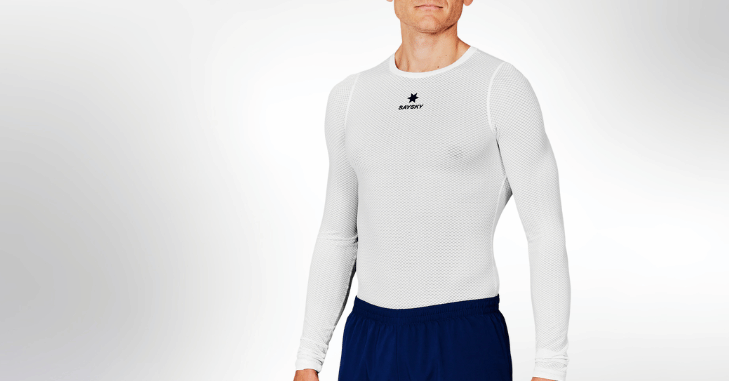
A mesh base layer is a type of performance-oriented undergarment designed to be worn directly against the skin as the first layer in a clothing system. What sets it apart from traditional base layers is its unique open-knit or mesh construction, featuring small, evenly spaced holes throughout the fabric.
This structure serves a dual purpose: it promotes exceptional airflow and breathability while also helping to regulate body temperature by trapping warm air in cooler conditions. Mesh base layers are typically made from synthetic fibers like polypropylene, polyester, or nylon, though some high-end options incorporate natural materials like merino wool for added softness and odor resistance.
The primary function of a mesh base layer is to wick moisture away from the skin, moving sweat to outer layers where it can evaporate more efficiently, thereby keeping the wearer dry and reducing the risk of chills or overheating. This makes mesh base layers especially valuable for high-exertion activities such as hiking, running, cycling, skiing, and tactical or military operations.

How Mesh Base layers Work?
The science behind mesh base layers lies in thermal regulation and moisture management.
- Wicking Moisture: The fabric fibers pull sweat away from your skin, spreading it across a broader surface area so it evaporates more quickly. This keeps you dry, reducing the risk of chills or skin irritation.
- Breathability: Thanks to the holes in the mesh pattern, air can circulate freely, preventing overheating during intense activity or in warm environments.
- Insulation: When used in colder environments, mesh base layers can trap warm air against the skin. The air pockets created by the mesh structure help retain body heat without adding bulk.
- Layering Compatibility: Mesh works effectively as part of a multi-layer clothing system. When worn beneath an insulating mid-layer and protective outer layer, it boosts overall comfort and performance.
Key Benefits of Mesh Baselayers
Mesh base layers offer a range of performance benefits that make them a standout choice for active and outdoor enthusiasts. One of their most significant advantages is superior moisture management. Unlike other materials, mesh dries exceptionally fast, making it ideal for activities like trail running or mountaineering, where sweat control is essential.
The fabric pulls moisture away from the skin, helping to keep you dry and comfortable. Additionally, mesh excels in temperature regulation. Its breathable structure allows air to circulate, which is beneficial in hot conditions for evaporative cooling, and in cold environments, it traps warm air close to the body while keeping moisture away.
Another key benefit is that mesh base layers are lightweight and highly packable. Compared to traditional wool or fleece options, mesh designs weigh less and take up minimal space, making them convenient to carry on extended adventures.

Materials Used in Mesh Baselayers
Mesh base layers are crafted from different materials, each with its unique set of properties:
Polypropylene
- Extremely hydrophobic (doesn’t absorb water)
- Dries rapidly
- Lightweight
- Ideal for extreme sweat-producing activities
Merino Wool (in Mesh Form)
- Naturally odor-resistant
- Regulates temperature well
- Soft and biodegradable
- May be blended with synthetics for durability
Polyester and Nylon
- Durable and moisture-wicking
- Often treated with anti-odor finishes
- Common in athletic and tactical designs
When and Where to Use a Mesh Baselayer
| Activity | Ideal Use of Mesh Baselayer |
| Hiking | Prevents overheating during long ascents |
| Skiing | Worn under insulation for warmth without sweat buildup |
| Cycling | Keeps torso cool while riding in summer |
| Running | Lightweight and breathable option in any season |
| Mountaineering | Keeps you dry at high altitudes |
| Military Use | Common under uniforms for comfort in tactical operations |
Top Brands and Products
Some brands are known for their high-quality mesh base layers:
- Brynje of Norway: The gold standard in mesh base layers, used by military and mountaineering professionals.
- Aclima: Offers wool mesh layers for a blend of comfort and performance.
- Craft: Popular among cyclists and runners, offering mesh options in synthetic blends.
- Helly Hansen: Known for their Lifa® Stay Dry technology with mesh structure.
How to Layer with a Mesh Baselayer?
To get the most from your mesh base layer, always begin by wearing it directly against your skin. This ensures optimal moisture wicking and breathability, as mesh is designed to pull sweat away from the body efficiently. Next, layer a close-fitting mid-layer, such as fleece or merino wool, over the mesh.
This traps warm air in the pockets created by the mesh, enhancing insulation without restricting movement. Finally, add a windproof or waterproof outer shell suited to the weather conditions. This three-layer system works together to keep you warm, dry, and comfortable while preventing overheating, making it ideal for both active and extreme environments.
Care and Maintenance
To prolong the life of your mesh base layer:
- Wash in cold or warm water with a gentle detergent
- Avoid fabric softeners, which can reduce moisture-wicking properties
- Air dry when possible; if using a dryer, use low heat
- Store dry to prevent mildew or fabric damage
Pros and Cons Summary
Pros
- Excellent breathability
- Fast drying
- Lightweight
- Great for both cold and warm climates
- Prevents moisture buildup
Cons
- May feel drafty in extreme cold if not layered properly
- Holes can snag easily on sharp objects
- Not ideal as a standalone top
Conclusion
Mesh base layers are more than just another piece of athletic or outdoor gear; they are a highly engineered solution for moisture control, temperature regulation, and layering efficiency. Their unique open-knit construction offers advantages that traditional base layers simply can’t match, especially in high-intensity or variable weather conditions.
By effectively wicking sweat, trapping warm air when needed, and allowing for unparalleled breathability, mesh base layers cater to both hot and cold environments with ease. Whether you’re an elite mountaineer, an everyday runner, a cyclist, or someone seeking comfort during demanding activities, investing in a high-quality mesh base layer can significantly improve your overall performance and comfort.
Want to know about “Can You Wear White to a Wedding? A Comprehensive Guide to Wedding Etiquette and Fashion Rules” Check out our “Fashion” category.
FAQs
On the other hand, mesh offers up to six times the insulating value per gram of weight and, because of its porous structure, enables bodily fluids to “transport” to the outer layers instantly.
This kind of base layer is 4-6 times warmer than a closed-weave layer and weighs less, allowing you to stay warm when needed and cool when needed.
Merino wool is known for its superior insulation and breathability.
However, when you want air to flow more freely, mesh makes it possible. Because the closed weave isn’t in direct contact with your skin, it doesn’t overheat as quickly.
The Smartwool Classic Thermal Merino 1/4 Zip has earned a place at the top of our selection for men.
