


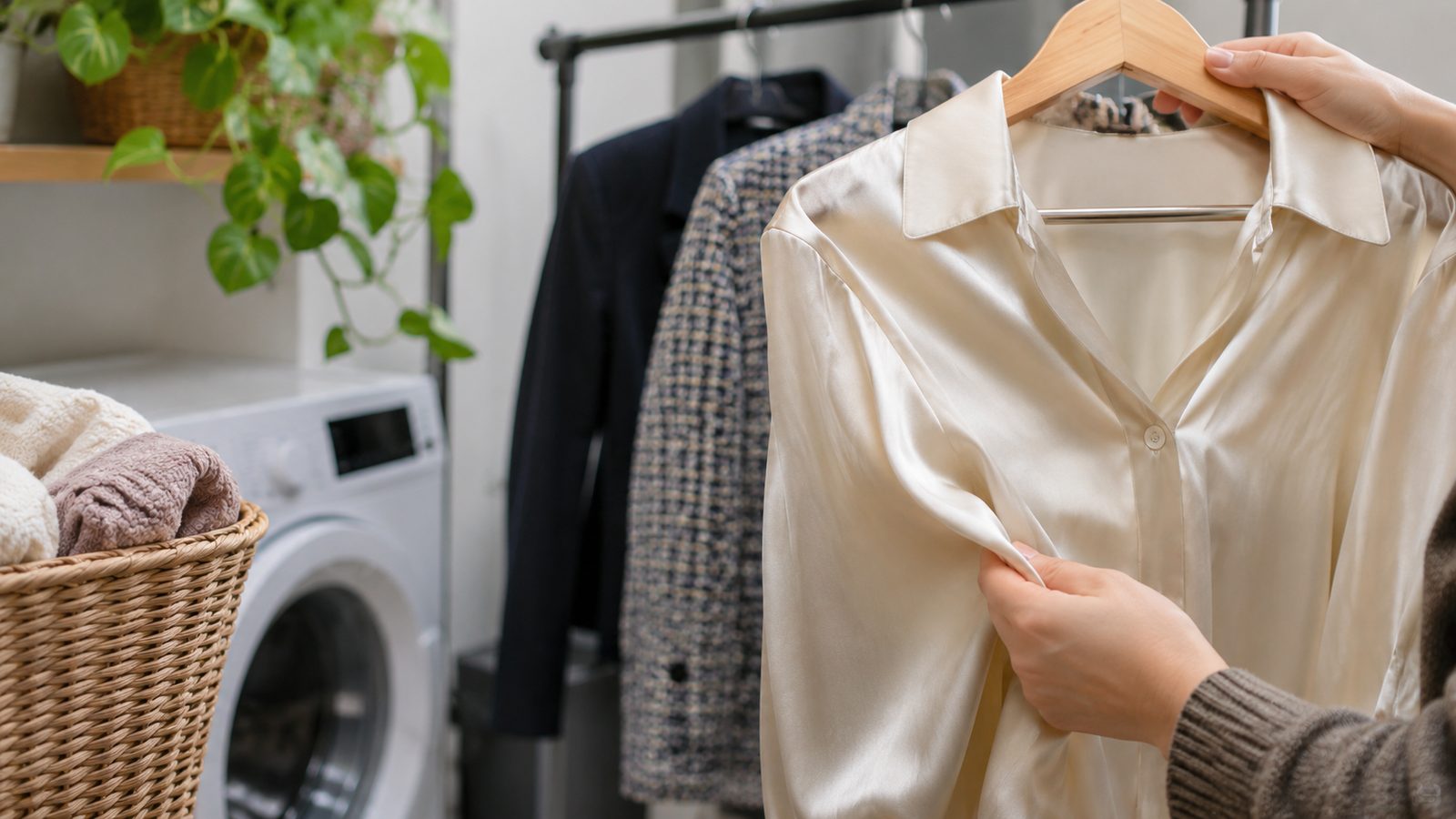
A dry clean only label is more than a casual suggestion in the United States. Under federal rules, the manufacturer needs a reasonable basis for warning that washing can damage the garment. That distinction matters before you decide whether saving a trip to the cleaner is worth the risk. The label also tells you something about the whole garment, not merely its main fiber. Linings, dyes, buttons, interfacing, finishes, and decorative trim can change what care is safe. A cotton blouse and a tailored cotton jacket may therefore need completely different treatment. Direct answer: In the United States, “Dryclean Only” means the manufacturer has evidence that washing can harm the garment. A plain “Dryclean” instruction identifies a safe cleaning method but does not prove washing is unsafe. When the label says “only,” professional cleaning is the lowest-risk choice.
Key facts at a glance
| Question | Practical answer |
|---|---|
| What does the label mean? | Washing may damage the garment, based on evidence supporting the warning. |
| Is “Dryclean” the same thing? | No. It identifies a safe method without necessarily ruling out washing. |
| Can some garments be hand-washed? | Sometimes, but only with risk assessment and preferably when the label permits it. |
| What deserves extra caution? | Structured tailoring, leather, suede, silk, rayon, unstable dyes, linings, and embellishments. |
| Do home kits replace a cleaner? | No. They mainly refresh lightly soiled garments and treat limited stains. |
| Can household solvents substitute? | No. Never improvise with gasoline, mineral spirits, naphtha, kerosene, or similar flammable solvents. |
Key takeaways
- Read the exact wording, not only the fiber-content label.
- A warning against washing covers hand washing as well as machine washing.
- Construction can matter more than whether a fabric seems washable.
- Plain cotton, linen, polyester, and some knits may tolerate gentle washing when their labels allow it.
- Silk and rayon can react unpredictably to water, dyes, agitation, or drying.
- Leather and suede normally need specialist care.
- Home dryer kits are refreshers, not miniature commercial cleaning plants.
- Flammable petroleum solvents have no place in a home garment-care experiment.
What “Dry Clean Only” Means Under the FTC Care Labeling Rule
The Federal Trade Commission enforces the Care Labeling Rule for covered textile apparel sold in the United States. Manufacturers and importers must provide care instructions supported by reliable evidence. Those instructions must avoid procedures that would cause substantial harm when followed correctly. The wording on the label is important because different phrases carry different meanings. The FTC says a “Dryclean Only” warning may be used when washing would harm the garment. The company must have a reasonable basis for both the solvent-cleaning instruction and the warning against washing. A plain “Dryclean” instruction is different. It can identify one safe method even when washing may also be possible. Federal rules do not require manufacturers to list every safe alternative when more than one method works. The FTC also requires warnings when part of the normal cleaning process could cause damage. A garment may require a certain solvent, reduced moisture, lower heat, or another modification. This is why professional cleaners examine the complete care label instead of relying on one familiar word.
Why the Fiber Name Does Not Tell the Whole Story
A common mistake is deciding care from the fiber-content tag alone. Garments contain thread, linings, adhesives, shoulder pads, dyes, zippers, buttons, finishes, and decorative elements. Any one of those components can create a problem in water. The American Cleaning Institute gives a useful cotton example. Cotton itself may be washable, yet trim can bleed or the finished garment can shrink. The safest care choice therefore depends on the finished product, not a single fabric percentage. This issue becomes especially important with tailored clothing. Jackets, suit vests, coats, and similar pieces depend on carefully shaped layers. Newsprend’s guide to suit layering and structured clothing shows how much fit and structure influence tailored garments.
Which Fabrics Can Sometimes Be Hand-Washed?
Some unstructured garments made from cotton, linen, polyester, or washable wool may tolerate gentle hand washing. That does not override a restrictive care label. It means these fibers are not automatically incompatible with water. Simple construction gives you more room than complex construction. An unlined cotton sweater has fewer failure points than a fitted jacket with interfacing and shoulder shaping. Always check colorfastness, trims, lining, and the manufacturer’s full instructions before choosing water. Certain wool and cashmere knits can also be washable. The FTC has specifically noted that many cashmere garments can be safely washed at home. A manufacturer still needs evidence before placing a warning against washing on a particular garment. If the care label permits hand washing, use cool water and a suitable mild detergent. Avoid twisting, aggressive rubbing, and sudden temperature changes. Support wet knits carefully because water weight can stretch them. Newsprend’s mesh base-layer care guide gives another example of why material-specific instructions matter. Performance fabrics often need different treatment from tailored fashion pieces. The correct method always starts with the label on the actual garment.
Garments You Should Be Much More Careful With
Structured tailoring
Suit jackets, blazers, coats, and tailored vests can contain several materials inside one garment. Water may shrink the shell differently from the lining or alter fusible interfacing. The result can include puckering, rippling, twisting, or a permanently changed silhouette. Professional pressing is another reason tailoring often fares better at a cleaner. Cleaning is only part of restoring a jacket’s shape. Home laundering cannot easily recreate specialized pressing and finishing. The same concern applies to tailored womenswear. A structured women’s suit vest may combine wool, satin, lining, buttons, and shaped seams. That construction deserves more caution than a simple washable top.
Leather and suede
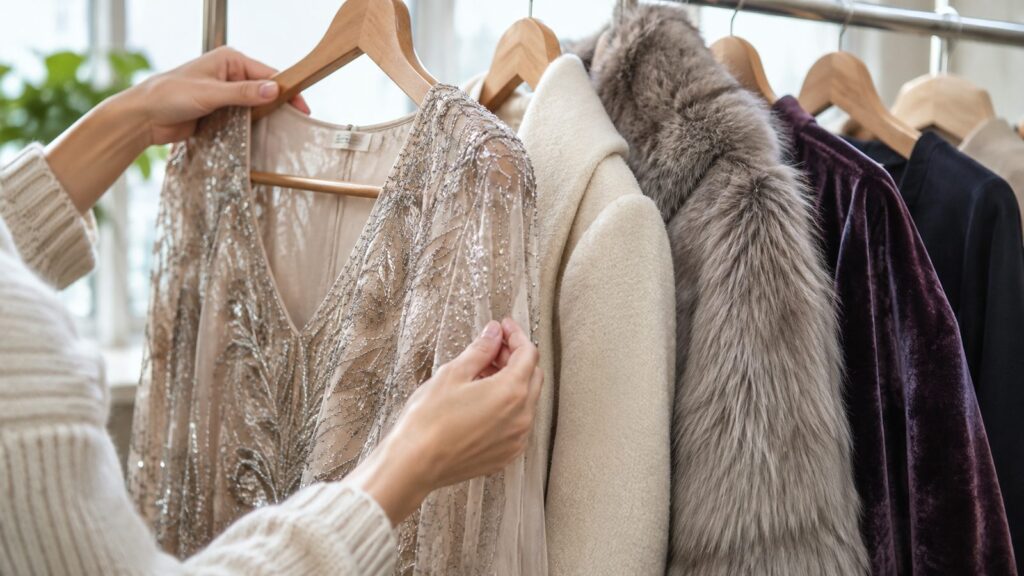
Leather and suede should not be treated like ordinary washable textiles. Water can affect their oils, color, stiffness, texture, and shape. Specialist leather cleaning is the safer choice when significant cleaning is needed. Do not assume a gentle washing cycle solves those problems. Reduced agitation does not remove the risks created by soaking leather. Follow the manufacturer’s directions and use products specifically approved for that material.
Silk
Silk presents a more complicated case because some silk garments are washable. Others can lose dye, develop water marks, shrink, or change texture. Construction and colorfastness can matter as much as the silk fiber itself. A washable-silk label gives you much more confidence than a restrictive warning. If a silk garment specifically excludes washing, the safest option is professional care. Expensive, lined, printed, pleated, or embellished silk deserves extra caution.
Rayon and viscose
Rayon, often sold as viscose, can be especially unpredictable when wet. Some forms lose strength, shrink, stretch, or distort during washing. A garment may look acceptable while wet and dry into a different shape. Loose, washable rayon pieces should follow their stated instructions closely. Tailored, bias-cut, lined, or restrictive-label rayon is a poor candidate for experimentation. Professional care is sensible when losing the garment would matter to you.
Are At-Home Dry-Cleaning Kits Worth Using?
Home garment-care kits can be convenient for lightly worn clothing. Many combine a stain-treatment product with a cleaning cloth or dryer-based refreshing process. They can reduce odors, freshen fabric, and address light surface soil. They are not equivalent to commercial dry-cleaning equipment. Whirlpool notes that home kits work best on lightly soiled items and may struggle with heavier stains. They also cannot provide the same finishing and pressing expected for tailored clothing. Check both the kit directions and the garment label before using one. A dryer-based kit is inappropriate when heat or tumble drying could damage the item. Test stain treatments in a hidden area whenever the product instructions recommend testing. A kit also cannot fix damaged structure, bleeding dye, or a serious grease stain. Valuable formalwear deserves professional assessment when the cleaning risk is unclear. Think of home kits as maintenance tools rather than full professional replacements.
Never Use Flammable Solvents for DIY Garment Cleaning
Do not attempt home solvent cleaning with gasoline, naphtha, mineral spirits, Stoddard solvent, kerosene, turpentine, or paint thinner. Petroleum-based cleaning solvents can release combustible vapors and create fire or explosion hazards. NIOSH identifies flammability as a major safety concern even in commercial facilities designed for solvent cleaning. Commercial cleaners use specialized machines, ventilation, fire controls, and operating procedures. Those safeguards do not exist around a household sink, washer, or dryer. Improvising with a solvent can expose you to vapors, skin contact, ignition sources, and contaminated clothing. Never place solvent-soaked clothing into a home dryer. The U.S. Consumer Product Safety Commission warns that clothing contaminated with volatile chemicals requires special care because ignition is possible. Household heat and flammable cleaning liquids are an unsafe combination.
A Safer Decision Checklist Before Cleaning
Before doing anything, read every care statement on the garment. Then inspect the piece for lining, tailoring, glued structure, leather, sequins, beads, unstable color, or delicate finishes. These details often reveal more risk than the main fiber name. Consider the value of the garment as well. A successful experiment on an inexpensive sweater does not prove the same method is sensible for a wedding outfit. If replacement would be costly or impossible, choose the lower-risk care method. Finally, distinguish cleaning from refreshing. Airing a garment, brushing it, or using an approved home-care kit may extend time between professional cleanings. A deep stain or major soil problem often needs more than a home refresher.
Frequently Asked Questions
Can I hand wash something labeled “dry clean only”?
The FTC wording means washing is expected to damage that particular garment. Hand washing still uses water, so it falls inside the warned-against method. Professional care is therefore the safest interpretation of the label.
Does “Dryclean” mean I cannot wash the garment?
No. Under the FTC rule, a plain solvent-cleaning instruction can identify one safe care method without proving that washing is harmful. Manufacturers do not always have to list every acceptable alternative.
Can cotton or polyester ever need professional cleaning?
Yes, because fiber content is only one part of garment construction. Linings, dyes, trims, adhesives, and shaping can make a normally washable textile risky. Always judge the finished garment and its full label.
Is silk always unsafe to wash?
No, because some silk garments are specifically made and labeled for washing. Other silk pieces can bleed, spot, shrink, or lose their finish. Follow the actual care instructions rather than assuming all silk behaves alike.
Are home cleaning kits safe for delicate clothes?
They can be suitable when both the garment label and kit directions permit their use. They work best for light soil and routine refreshing. They are less suitable for major stains, structured garments, or pieces that cannot tolerate dryer heat.
What should I do when I am unsure?
Choose professional cleaning when the consequences of damage are significant. Show the cleaner the label, stain, and any unusual trim or construction. You can also ask what process they recommend before leaving the garment.
The Bottom Line
Care labels are risk instructions, not decorative tags. The safest decision comes from reading the exact wording and considering the garment’s full construction. Fiber type alone cannot tell you whether water, heat, agitation, or solvent treatment will be safe. For simple washable pieces, gentle home care may be completely appropriate. For structured tailoring, leather, risky silk or rayon, and restrictive labels, professional care protects both shape and finish. Never turn garment cleaning into a household chemistry experiment with flammable solvents. For more clothing, fabric, and style coverage, browse the Newsprend Fashion section before planning your next wardrobe-care routine. —
