


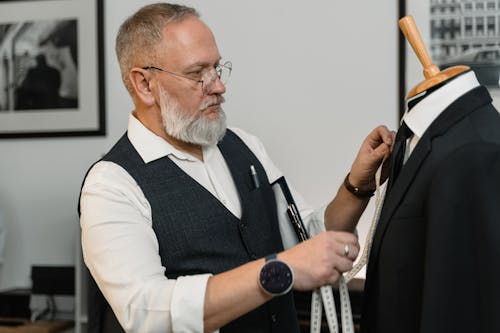
One of the easiest ways to look stylish every season is to layer a suit well. You are able to remain comfortable without sacrificing that clean, polished look. The reason most struggle with layering is because you do need to balance warmth, structure, and color coordination. If done right, layering really brings out the best qualities of a suit for a confident, modern look. The right pieces help everything from shirts and outer layers to suit shoes feel complete rather than forced.
Choosing the Right Base Layer
A nice, layered outfit requires a solid foundation. Your base layer should be lightweight enough for warmer weather but supporting enough to take the chill off when it cools down. For most occasions, a crisp dress shirt or lightweight knit will suit the purpose just fine. You could even introduce texture or subtle color accents here to begin with. As you start building up this foundation, your outer layers should ideally fit well over it without hindering movement in any way. A mens sports jacket will be a smart addition in case you need a relaxed yet refined look. It works perfectly during spring and fall, considering the structure it adds without bulking up. The trick is to keep the base layer smooth so that the rest of the outfit falls neatly into place.
Adding Warmth and Depth Using Mid Layers
The mid-layer goes between your shirt and your main jacket. It’s often the most flexible part of the outfit because it adjusts with ease to the temperature changes. A fine knit sweater, vest, or soft cardigan adds warmth without a chunky look. This can also be where you would introduce deeper tones or interesting textures. For more formal occasions, some men layer with an elegant piece under a mens tuxedo to maintain structure while adding comfort. The key here is to keep those layers balanced so the top jacket still falls cleanly over everything. When layers fight with one another, the outfit looks uneven, so slim and well-fitted pieces make layering that much easier.
Choosing the Outer Layer for Each Season
An over-jacket is the most visible part of an outfit; it should be suitable to both weather and occasion. Lighter-weight jackets are suitable for spring and early fall, while thicker wool is best during winter. Rain jackets or topcoats can also be worn over suits as long as they follow clean lines without overwhelming the silhouette. Most formal-wear shops, such as a mens suit store, may carry seasonal outerwear complemented with suits. This will make it easier to match pieces that share similar colors and textures. A good outer layer should feel comfortable, permit ease of movement, and complete the look without clashing with what’s underneath it.
Balancing Color and Fabric Throughout the Outfit
Layering means paying attention to color: pieces should complement, not fight. Neutral colors work best for outer layers-navy, gray, and black are all good choices-while lighter shades work best for shirts and mid-layers. Fabric choices count, too: wool blends, cotton, linen, and soft knits can all be mixed and matched, provided they have a similar tone and level of formality. Mixing textures adds depth, but should be done with restraint to avoid looking messy. When colors and fabrics feel consistent, the whole outfit looks considered and smooth.
Layering for Summer, Fall, Winter and Spring
Master suit layering, and you’re changing up your strategy with every season. Summer means breathable fabrics and fewer layers will do the trick. You can literally get away with just a light blazer and a soft shirt. Add to that thin knits and flexible layers when doing it in fall, where the temperature might fluctuate throughout the day. In winter, thicker layers are applied, such as wool sweaters or insulated overcoats, which will keep you warm without losing their shape. In spring, the layering goes lighter once more, focusing on freshness and mobility. Knowing just how to shift these layers around makes it possible to use the same suit in completely different climates.
Finishing the Look with Small Details
Accessories are part of layering but play a quiet yet important role. Accessories like scarves, watches, pocket squares, and belts add to the look if chosen with care. The key is in avoiding clutter. Each accessory should support the outfit. Avoid over-accessorizing it; simple and classic pieces work best, usually.
Conclusion
Layering a suit is as much about comfort as style. If you layer the right base, mid, and outer layers, it feels natural and polished in every season. Attention to fit, balance, color, and fabric helps each piece work together seamlessly. Using these simple guidelines, you can make a refined look whether it is hot or cold outside. Layering becomes less about guessing and more about knowing what works and why. This empowers you to feel confident and helps you move through each season in a suit that always looks its best.
